Description
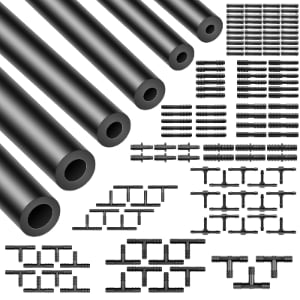
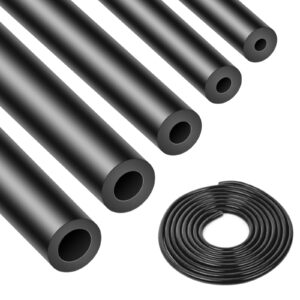
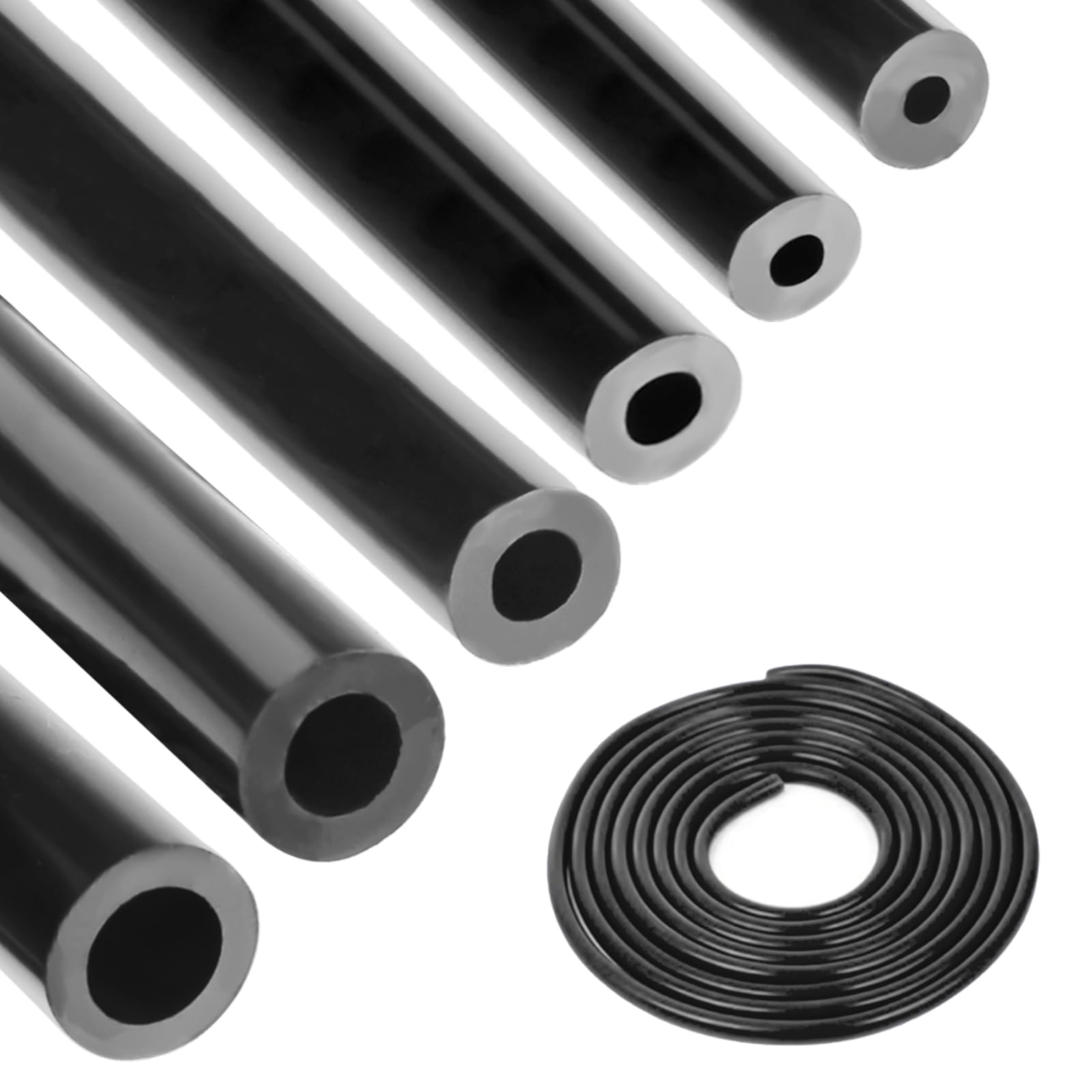
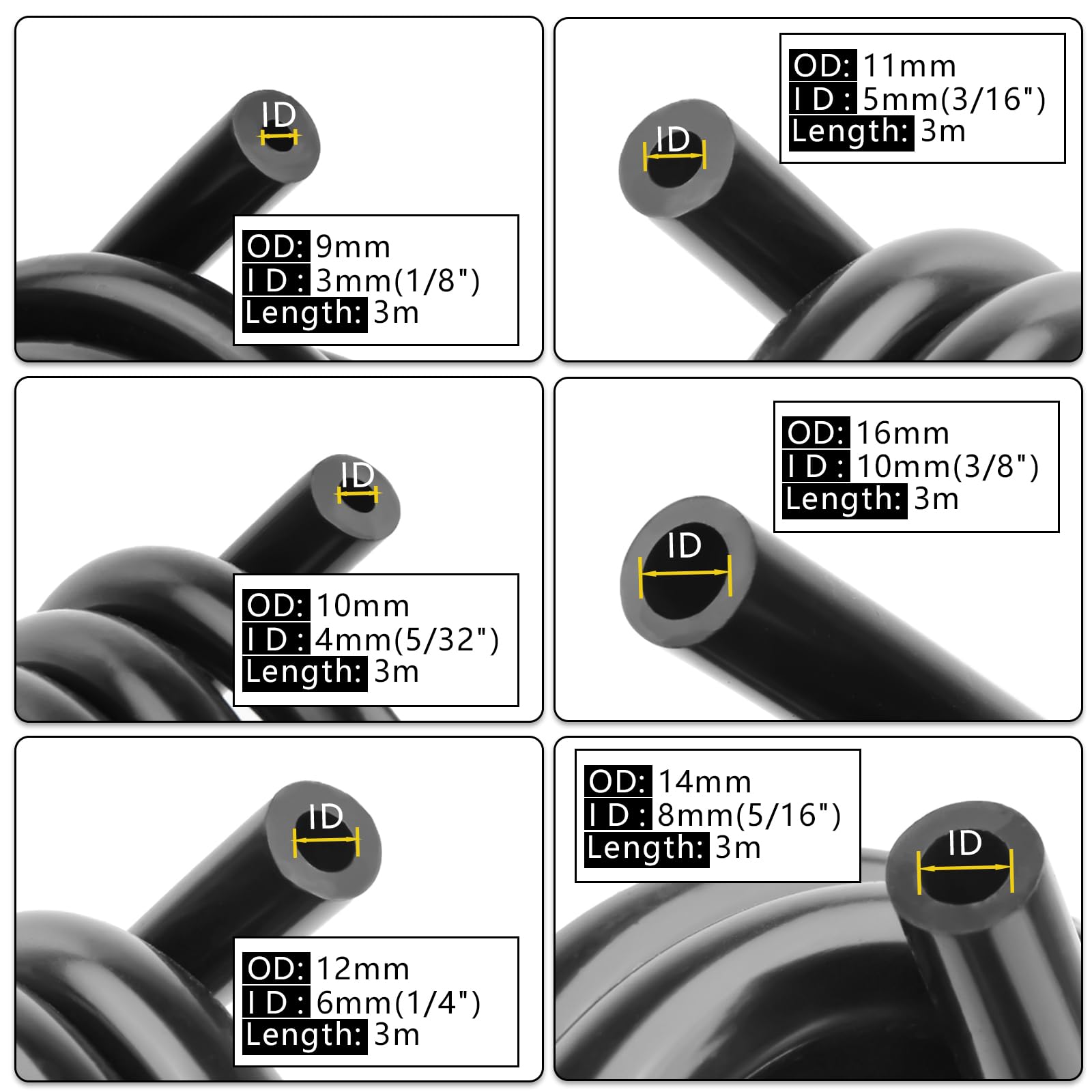
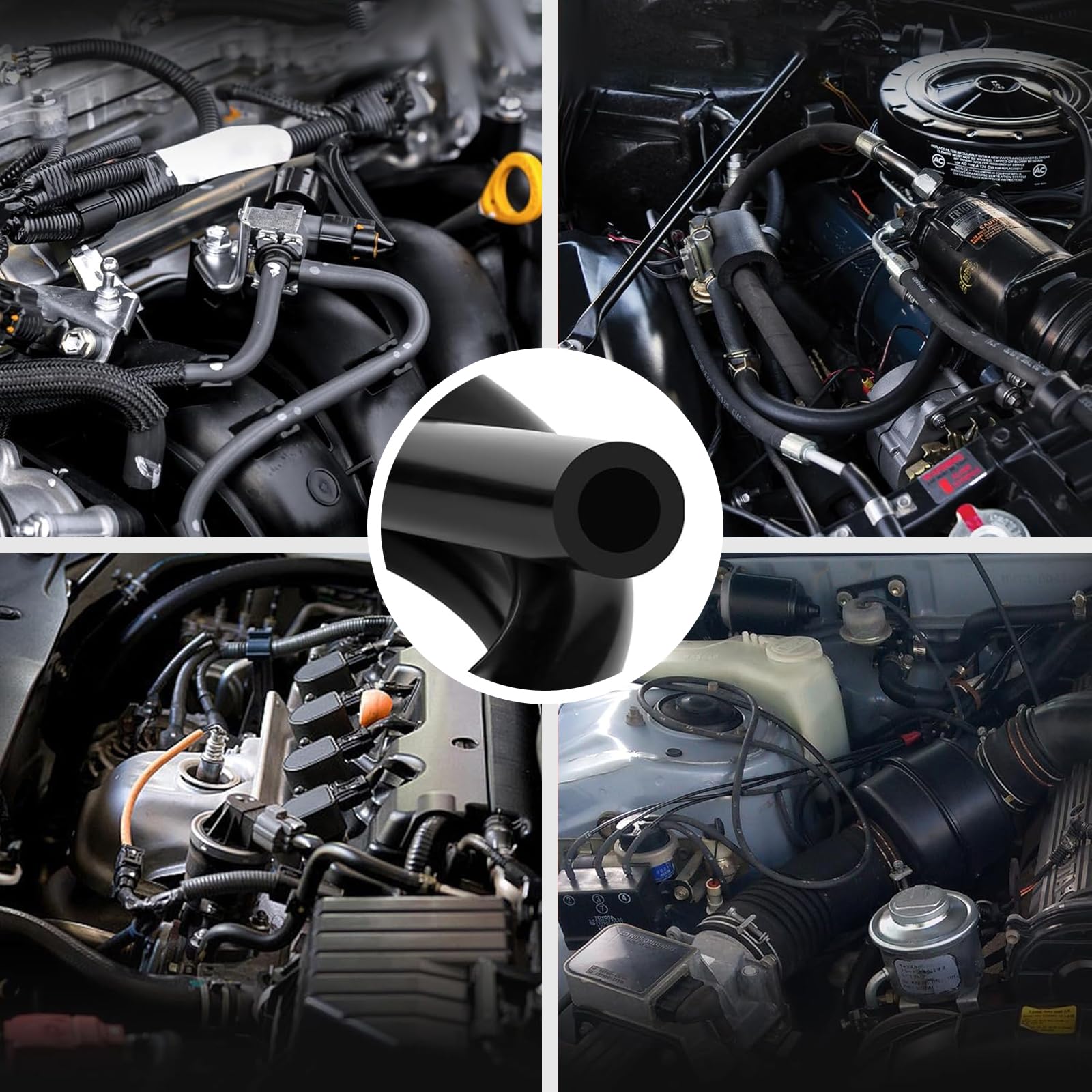
Six silicone vacuum hoses in the six sizes a stock engine bay actually uses, 10 ft of each. The longest and most complete kit we make — for air, vacuum and water only.
Six sizes, ten feet of each
This is the kit for a full re-run: six sizes, 10 ft of each, 60 ft in total. If you are replacing every vacuum line in a bay — or you work on more than one vehicle — buying it by the foot gets expensive fast, and you always end up one size short at 9 pm.
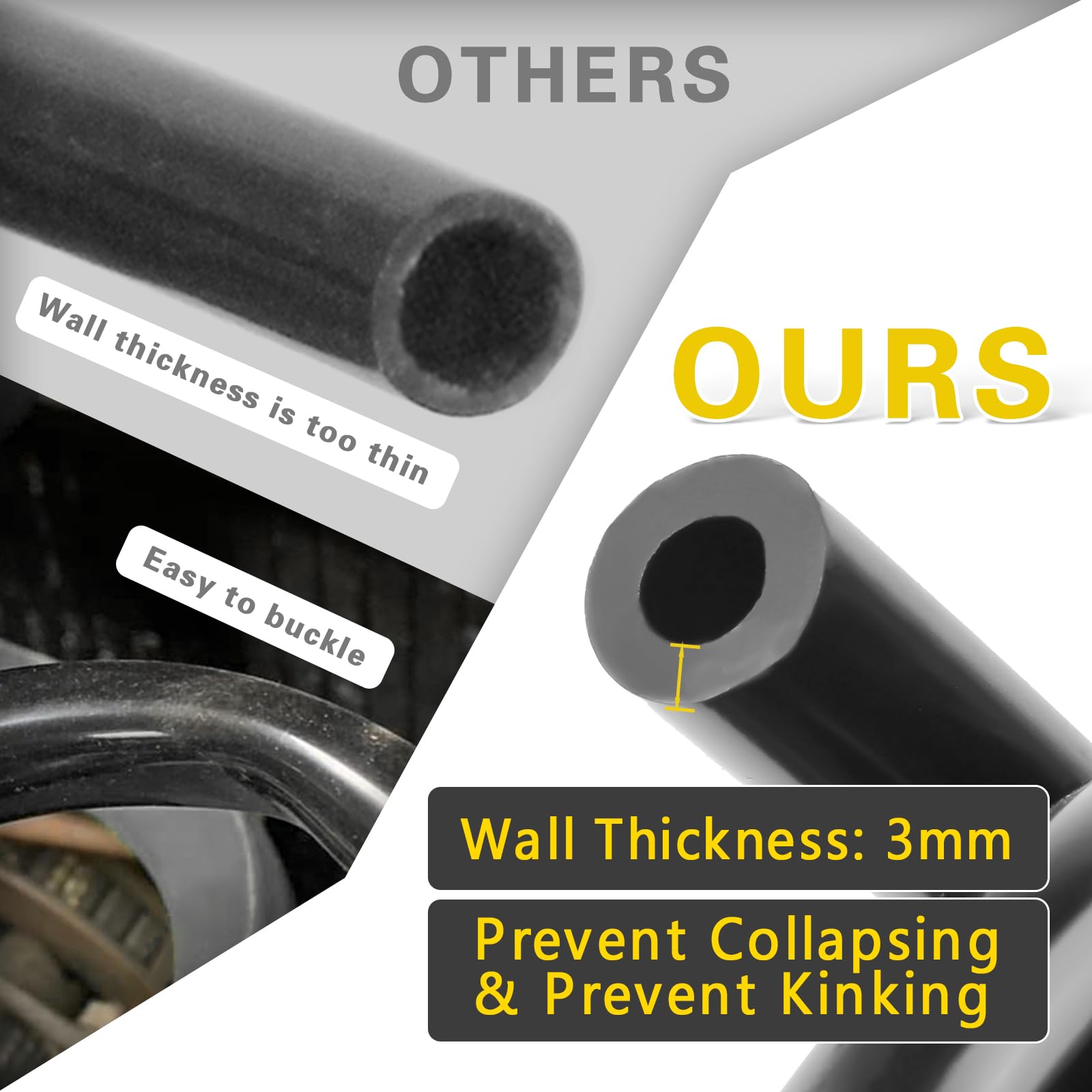
Why the 3 mm wall matters
Most cheap vacuum line is thin-wall. Under vacuum it flattens out of round, and at a tight bend it creases and stays creased. A 3 mm wall keeps the bore open and lets the hose take a bend without pinching shut — which is the difference between a boost gauge that reads true and one that reads high.
What's in the box
| Hose | Inside dia. | Outside dia. | Length |
|---|---|---|---|
| 1/8" | 3 mm | 9 mm | 10 ft |
| 5/32" | 4 mm | 10 mm | 10 ft |
| 3/16" | 5 mm | 11 mm | 10 ft |
| 1/4" | 6 mm | 12 mm | 10 ft |
| 5/16" | 8 mm | 14 mm | 10 ft |
| 3/8" | 10 mm | 16 mm | 10 ft |
Wall thickness 3 mm throughout. Total 60 ft of hose.
Which size goes where
A general guide — always measure the port you're replacing before you cut.
| Size | Commonly used for |
|---|---|
| 1/8" (3 mm) | MAP sensor and small signal lines, boost gauge |
| 5/32" (4 mm) | Wastegate, blow-off valve, boost controller |
| 3/16" (5 mm) | Small vacuum actuators, carburettor and throttle body lines |
| 1/4" (6 mm) | PCV, charcoal canister, larger vacuum accessories |
| 5/16" (8 mm) | Idle air, brake vacuum assist lines |
| 3/8" (10 mm) | Coolant bypass, radiator overflow, larger intake runs |
10 ft instead of 6.6 ft — when it is worth it
If you only have one or two lines to replace, the shorter kit does the job for less. Take this one when you are running lines the length of the engine bay, replacing everything at once, or keeping stock for the next vehicle. The extra length is the difference between cutting what you need and measuring what you have left.
Air, vacuum and water only — never fuel or oil
This is a silicone hose, and silicone swells and softens when it meets petrol or diesel. It is not a fuel line and must never be used as one. Run air, vacuum or water through it and it will last. Put fuel in it and it will fail — quietly at first, which is the dangerous part.
If you need a fuel line, use our rubber fuel hose instead. It is built for it.
Pressure ratings, in plain terms
Working pressure 43 PSI. That is what this hose holds all day, every day. Burst pressure 130 PSI at room temperature, 100 PSI at maximum temperature. That is the number it fails at. Never run it near that number — working pressure exists precisely so you don't have to.
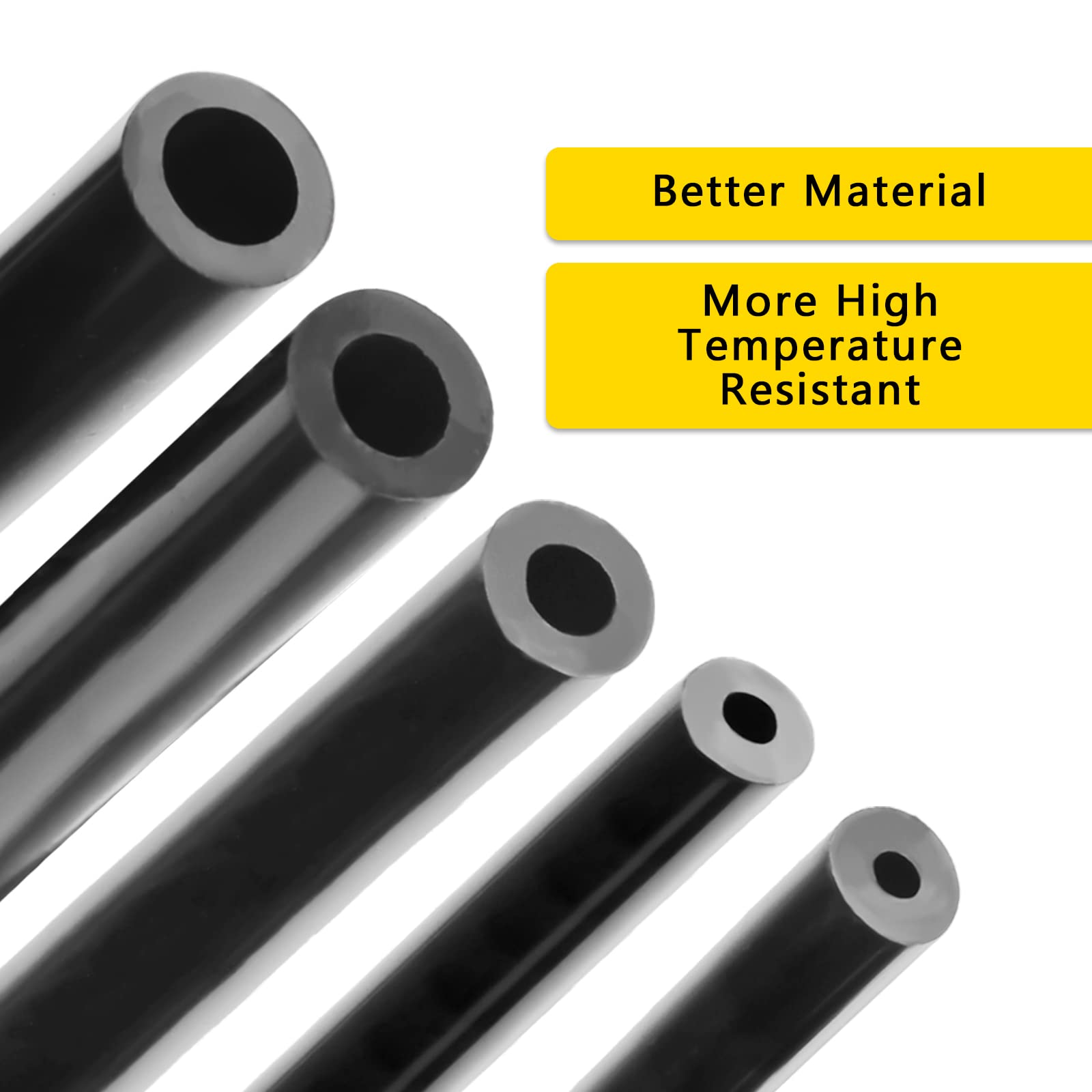
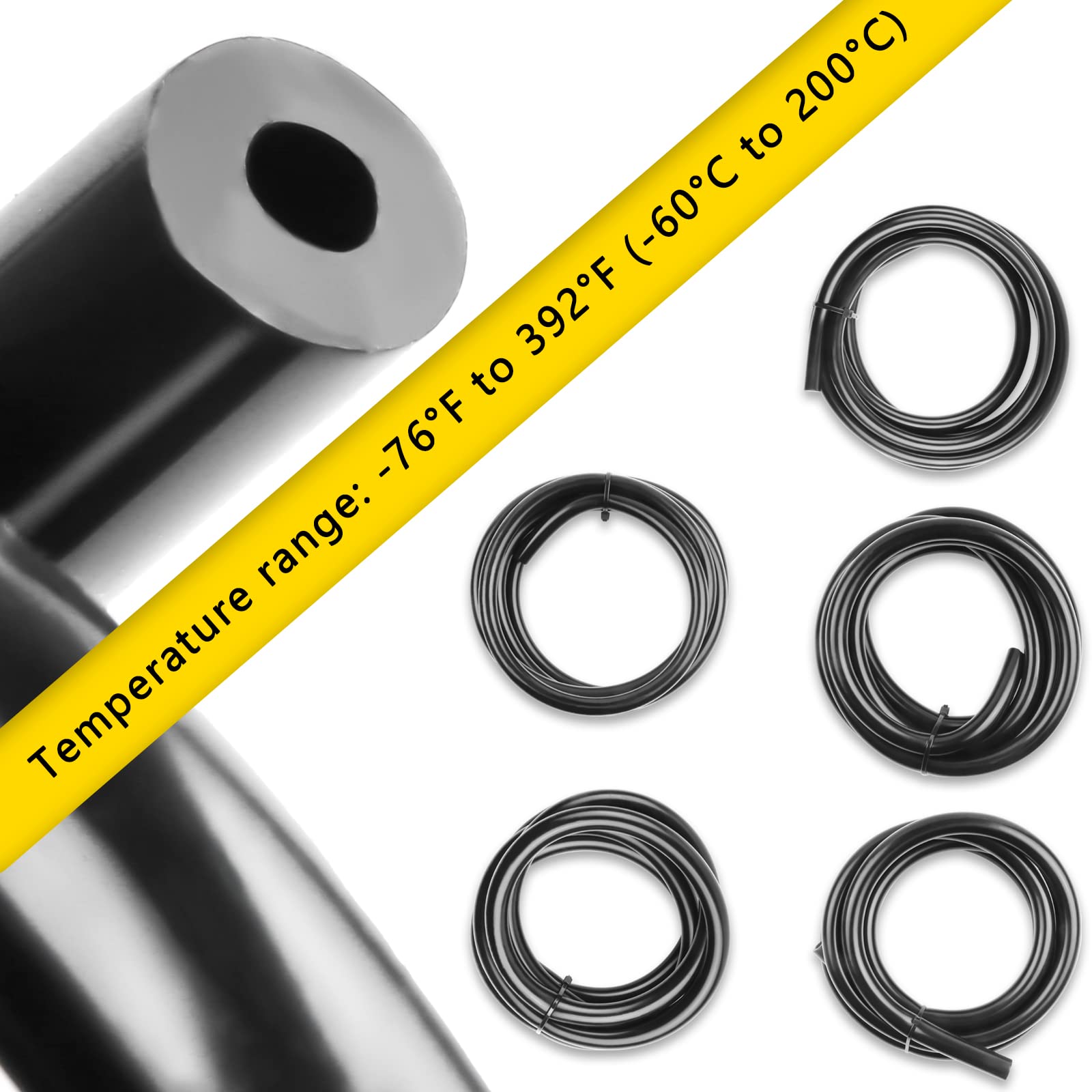
Temperature range −76°F to 392°F (−60°C to 200°C).
Fitting it
- Cut square with a sharp blade, not with scissors.
- If the port is tight, dip the end in hot water for a few seconds.
- Use a hose clamp on anything that sees pressure.
- Don't reuse a hose that has been kinked and creased — it won't seal.
Shineyoo is a US-based seller. Every order is picked, packed and shipped from our own warehouse, and we answer messages within 24 hours.